You have no items in your cart. Want to get some nice things?
Go shopping
Arts & Culture · 02 October 2026
What Comes After Visibility?
Bernardine Evaristo, Margaret Busby and the institutions Black British literature still needs

There is an appealing neatness to placing Margaret Busby and Bernardine Evaristo beside one another.
In 1967, Busby co-founded Allison & Busby, becoming Britain’s first Black female publisher and, at the time, its youngest publisher. More than half a century later, Bernardine Evaristo became the first Black woman to win the Booker Prize when Girl, Woman, Other took the award in 2019. Their careers belong to different moments in British literary history, but both are tied to the question of who gets to enter, shape and ultimately remake its institutions.
Now both have been appointed patrons of the Black British Book Festival.
It is tempting to read that simply as a ceremonial announcement: two significant literary figures lending their names to a successful festival. But their appointment raises a harder question. After decades of individual breakthroughs, what has been built to make those breakthroughs less exceptional?
A culture can produce acclaimed writers, major prizes, crowded festival stages and high-profile publishing successes while still leaving access, readership and opportunity unevenly distributed.
The Black British Book Festival was founded in 2021 and has grown beyond its annual gathering into work with schools, libraries, communities, young readers, emerging writers and publishing partners. Its ambition is no longer confined to convening a festival once a year, but to creating opportunities for Black writers, developing readers and increasing access to Black-authored books.
Festivals are the visible part. The harder work happens elsewhere: in schools, libraries, publishing rooms, bookshops, mentoring and the long stretch between a first opportunity and a lasting career.
Busby knows something about the absence of that infrastructure.
When she entered publishing in the 1960s, the routes available to Black writers within British publishing were far narrower than they are today. Over more than five decades she has published and championed writers from Africa and the African diaspora and argued for a literary culture capable of recognising a wider range of voices.
Her involvement with the Black British Book Festival therefore carries more weight than a conventional patronage appointment. It places a young institution beside someone who helped expand the possibilities of British publishing itself.
Busby does not pretend that nothing has changed. In her statement announcing the appointment, she acknowledges that the literary landscape has altered enormously. But she also points to what remains unfinished: meaningful opportunities, wider access, and a publishing culture in which a diversity of voices can be published, read and valued.
The language of the “first” is powerful because it marks a barrier being broken. But it can also obscure what lies behind the achievement. A first Black publisher. A first Black woman to win a major prize. A first appointment. A first breakthrough.
At some point, a healthy literary culture has to move beyond celebrating exceptional entry and start making access less exceptional.
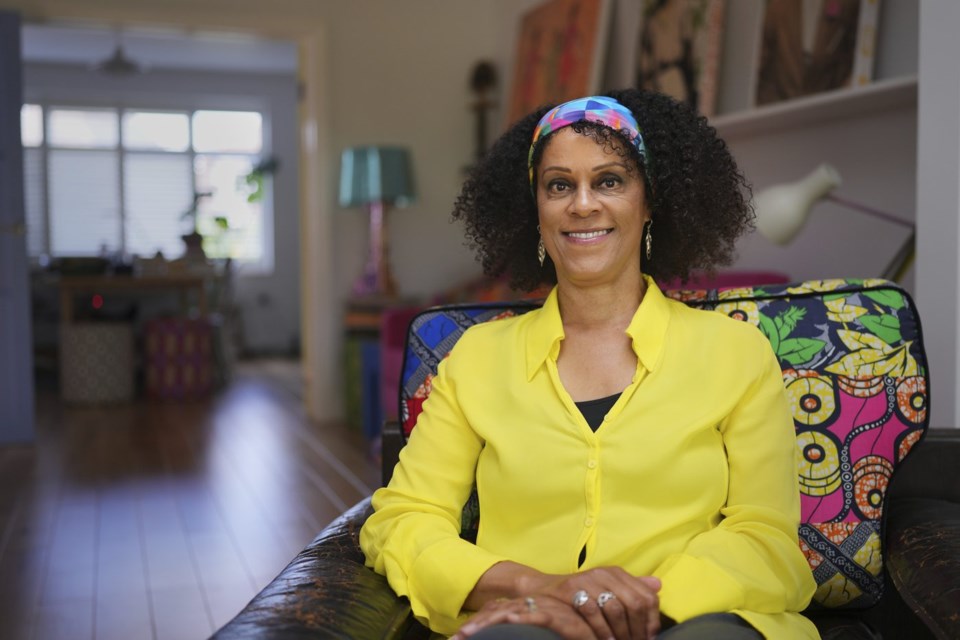
Evaristo’s career occupies another part of that history.
As a novelist, poet, critic, academic and former President of the Royal Society of Literature, she has spent decades widening the imaginative and institutional space occupied by Black British writing. Her 2019 Booker win mattered not only because of the novel that won it, but because of what that moment exposed about recognition, literary history and who had previously been excluded from it.
In accepting the BBBF patron role, Evaristo talks about literary past, present and future, and about creating opportunities for the generations that follow.
That matters because institutions work on a different timescale from individual careers. They preserve memory, create routes between generations and determine whether gains become permanent or have to be fought for again.
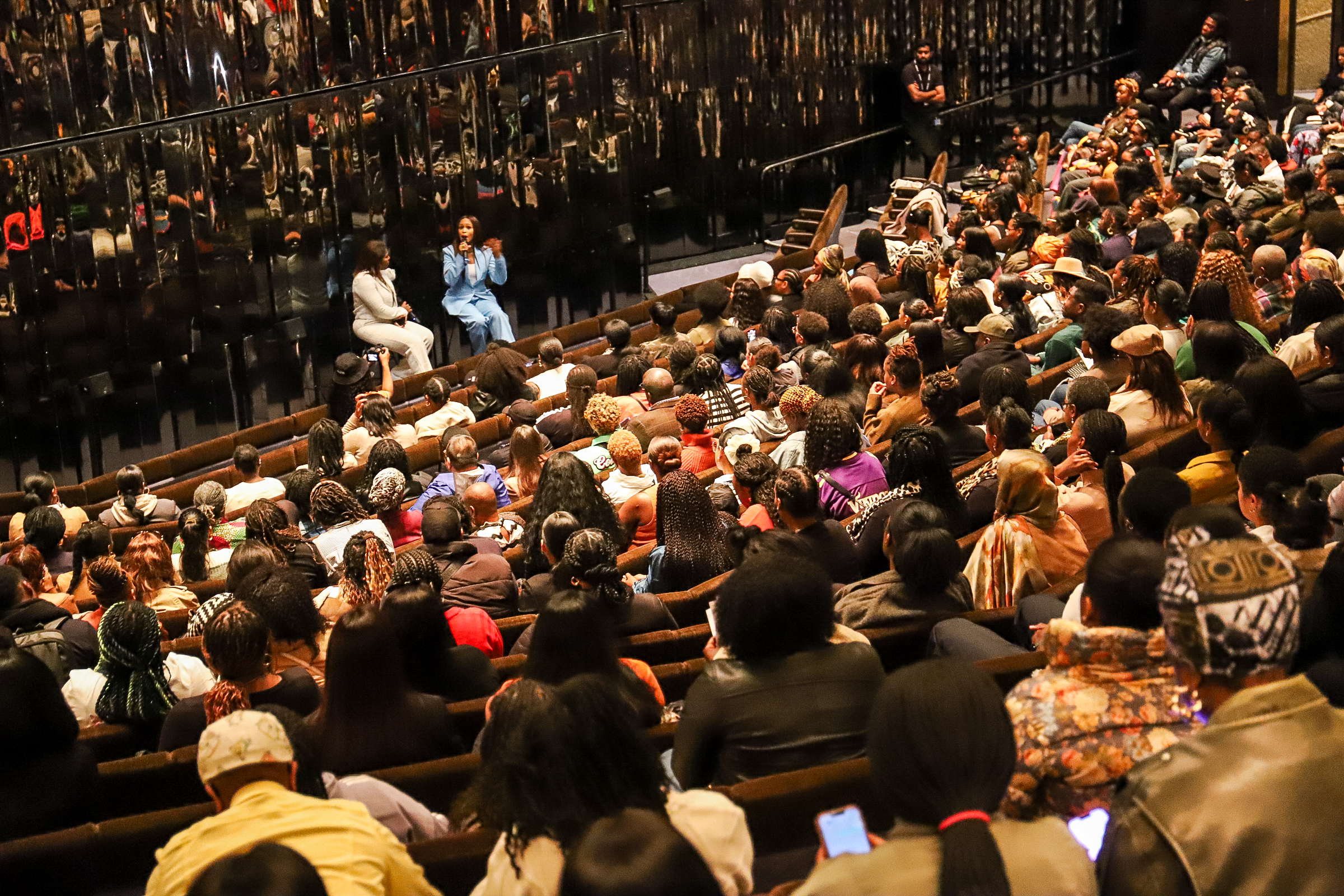
Founder and CEO Selina Brown describes BBBF’s ambition as building an “ecosystem around Black literature”: connecting writers, readers, children, communities and the publishing industry, and giving Black literature greater scale, visibility and investment.
“Ecosystem” is a large claim, but it is also the right one to test.
A genuine literary ecosystem cannot be measured only by attendance figures or impressive programmes. It has to create movement: from reader to writer, from emerging writer to published writer, from school library to bookshop, from community programme to publishing opportunity, from cultural visibility to economic opportunity.
That work is slower and less glamorous than a festival weekend.
It is also the work that lasts.
There is a tendency, particularly around Black British culture, to mistake representation for completion. More writers are visible. More books are published. More institutions publicly recognise the need for broader representation. All of that matters.
But visibility is not permanence.
The harder measure is whether writers can build careers rather than moments; whether books remain available rather than briefly visible; whether younger readers encounter Black British writing as part of the ordinary fabric of literary culture; and whether organisations outside the largest publishing houses have the resources and staying power to shape that culture rather than merely respond to it.
Those questions are bigger than one festival. They are also the questions against which an organisation such as BBBF will ultimately be judged.
Busby represents a generation that had to create publishing space where very little existed. Evaristo represents both the extraordinary expansion of Black British literary visibility and the unfinished work that follows recognition.
The organisation they are joining sits between those histories.
This weekend, the Black British Book Festival returns to the Barbican Centre, with more than 80 authors and cultural figures taking part across more than 35 events spanning literature, publishing, poetry, music, science and culture.
A festival of that scale will produce the visible signs of success: full rooms, authors on stage, books changing hands, readers meeting writers.
But the real test begins when the rooms empty.
The significance of Busby and Evaristo becoming patrons will not ultimately be measured by the prestige of their names on a programme.
It will be measured by what the institution beneath those names manages to build.
Continue reading
Literary Highlife: Ghana × Nigeria
Margaret Busby and a generation of writers across Ghana and Nigeria.
Breaking Borders
Writing across language, place and cultural boundaries.