
You have no items in your cart. Want to get some nice things?
Go shopping
Litro: In a recent interview you said that when you’re black in America, you are walking around with “a very clear sense of existential danger”. Could an affluent black neighbourhood like Pleasantville be seen as a refuge from feeling such tension to an extent? As cities across America (and in many other parts of the world) are “gentrified” and people of colour typically pushed out, what do you think will happen in Pleasantville? Will neighbourhoods like these completely change in terms of demographics?
Locke: Pleasantville has already changed. Less because of gentrification (although perhaps that’s coming) and more because on the other side of integration, black folks in Houston have choice, and a lot of younger people have not chosen to settle in Pleasantville. The older people have stayed, but many of their kids and grandkids have started their families in integrated neighborhoods that are closer to the city center. The other thing that happened over the course of Pleasantville’s history is that what was once an idyllic neighbourhood set in prairieland has now become surrounded by industry. There are now oil refineries nearby, chemical plants, etc. – all of which weren’t there when the neighbourhood was founded in 1949. The fire at the chemical plant in the book is based on an event that really happened in Pleasantville in 1995. The neighbourhood isn’t what it once was, for a lot of reasons. But there’s no question that Pleasantville and segregated neighborhoods like it were a cultural refuge for black folks in America in the years after the Second World War.
Litro: How did you come up with the plot for Pleasantville and how long did it take you to write it?
Locke: I always develop the plots of my books as I go along. I never have a master outline. I got the set-up – the idea of a book about an election – from the fact that my father ran for mayor of Houston in 2009. I got to see the ugliness of the political process up close and I was floored by it. I flew home with all of my siblings to help with my dad’s campaign – block-walking, phone-banking, attending fundraisers, and doing press interviews – and within a few days of being home in Houston, I knew I was going to write this book, and I knew it would start with a block-walker who goes missing in Pleasantville, a neighbourhood that has a storied history in the city’s political life.
It took me about a year to write a first draft.
Litro: Which is your favourite of your novels and why?
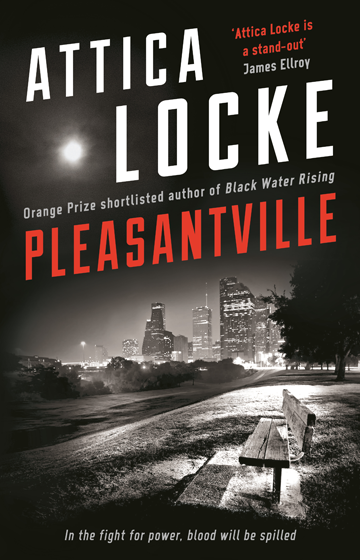 Locke: It’s always the last one I wrote – so Pleasantville. But that book really shows how much I’ve grown as a writer.
Litro: When did you decide you wanted to be a writer?
Locke: I’ve been writing my whole life, but I didn’t think of it as my career until I left college.
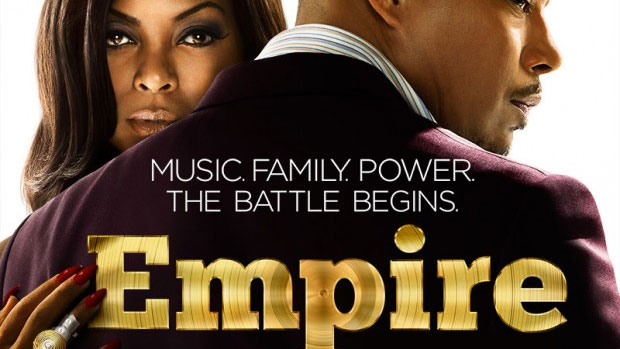 Litro: How did you come to join Empire as a writer?
Locke: I went to my agents – I’ve had Hollywood agents for years because I was a screenwriter before I was a novelist – and told them I wanted to work in TV. I had been quietly watching the ways in which TV as an art form has gotten so interesting. I wanted to be a part of that. They sent lots and lots of scripts of pilots for the 2014-2015 season, and I went on a bunch of meetings. From the first time I read the Empire pilot to the last of like five meetings it took to get the job, I knew I wanted to do it. It was unlike anything I’d ever read or seen.
Litro: What is your earliest childhood memory?
Locke: Meeting my mother’s second husband when they first started dating. I was four, I think.
Litro: What makes you happy?
Locke: My family. Reading. Writing. Music.
Litro: What are you reading at the moment?
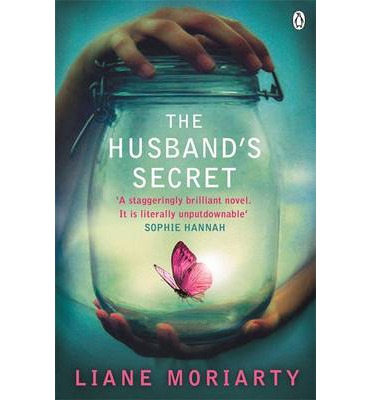 Locke: My third Liane Moriarty novel, The Husband’s Secret.
Litro: What advice would you give to a first time writer?
Locke: Write, write, write. It’s the only way to get better. And it starts with the work. Don’t worry about agents or editors or any of that stuff until you’ve got something great for someone to read.
Litro: What is your guiltiest pleasure?
Locke: The Bachelor/The Bachelorette
Litro: How do you relax?
Locke: Wine. Books. Or music.
Litro: What is your favourite book of all time?
Locke: An impossible question. I don’t have one.
Litro: Which author is underrated or deserves to be better-known?
Locke: There are so many. First one that popped into my head: Michelle Huneven
Litro: What’s the worst job you’ve had?
Locke: Selling cheap clothes at a teeny-bopper clothing store.
Litro: What is the most important thing life has taught you?
Locke: A sense of humor will get you through A LOT.
Litro: What’s next in terms of future projects?
Locke: Finishing the second season of Empire. And planning my next book.

One comment